A Spicy Recipe Roundup

Three Cuts,
Three Kinds of Heat
Aloha,
We've been celebrating Spicy all month long and wanted to take a quick break from our new favorite Stick to talk fresh cuts and spicy summer cooking.
Three fresh cuts, three kinds of heat. One bright with fresh chile, one deep and fermented, one toasted and slow to build.


ASADA TACOS
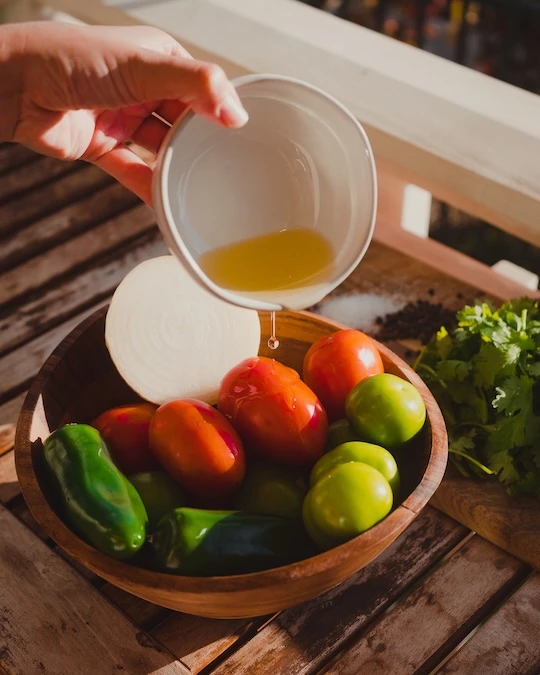
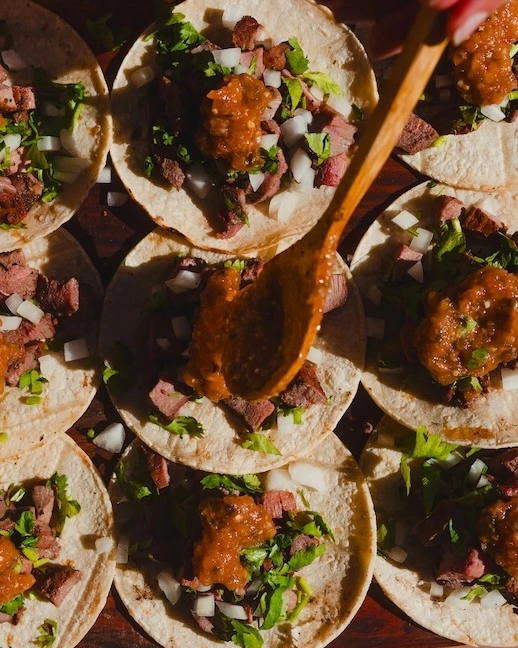
First up, a recipe worth building your grilling season around. Citrus-marinated Medallions come off the grill into warm corn tortillas with a smoky salsa and a jalapeño kick.
The salsa is a recipe in its own right: charred tomatoes, tomatillos, and jalapeños blended smooth, good on just about anything all summer. Plan for a two-hour marinade and the rest comes together fast.
DIAL THE HEAT: Remove jalapeño seeds and inner ribs for a gentler version. Leave seeds and ribs in, and reach for the optional chipotle seasoning, to push it hotter.
The Technique
Cooking w/ Heat,
Demystified
- The ribs hold the heat, not the seeds. In a fresh chile, the spicy part is the pale, soft inner ribs. The seeds just sit against them and pick some up. Scrape out the ribs and seeds for a milder dish, or leave them in for full heat.
- Cook chile in a little oil first. Chile heat and flavor dissolve into oil, not water. Stir chile flakes or chile powder into oil at the start of cooking and the heat spreads through the whole dish evenly.
- Add heat early for warmth, late for a kick. Chile cooked in from the start melts into an even, all-over warmth. The same chile added at the end, or sprinkled raw on top, tastes sharper and hits right away.
- To cool a dish down, reach for dairy, not water. Water just spreads the heat around. A spoonful of yogurt, sour cream, or coconut milk calms it, and a squeeze of lime or a pinch of sugar takes off the edge.
- If it is too hot, stretch it. Spiciness does not cook away, so you cannot simmer it out. Add more of everything else instead: more broth, rice, beans, or tomatoes. Spreading the same heat across more food is the surest fix.
- Taste at serving temperature. Food tastes less spicy cold than hot, so go a little heavier on the chile in cold dishes like salsa or slaw. Spicy food also gets hotter as it sits, so anything made a day ahead will have more bite.
- Start low, then build. When a recipe gives a range for a spice, start at the low end, taste, and add more. You can always add heat. You cannot take it back out.
None of it is complicated, and all of it applies to any spicy dish. Put it to work on the recipes below.
Spicy
RECIPE ROUNDUP
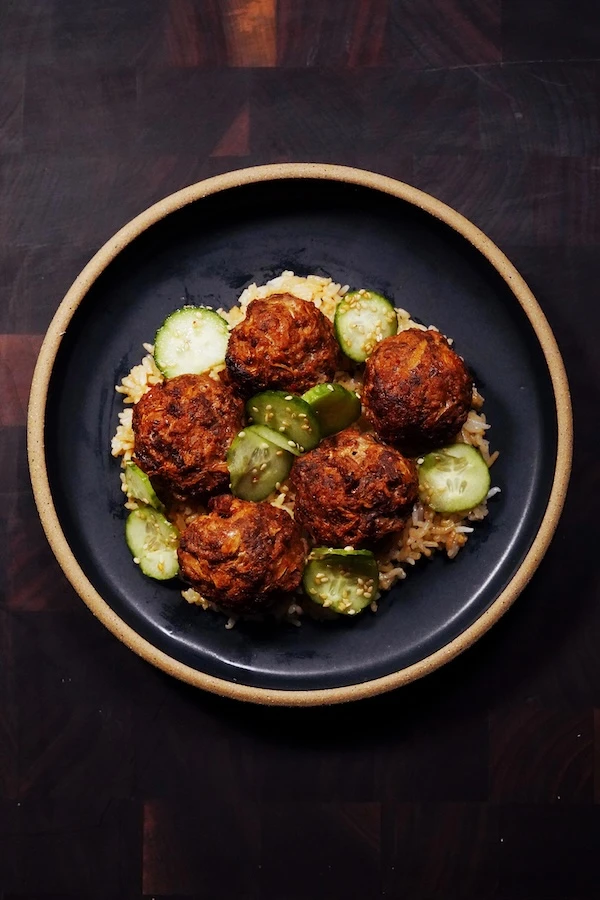
KIMCHI MEATBALLS are a bold take on Ground. Kimchi and gochujang go straight into the meatball mix. The heat is fermented, savory, and built in rather than spooned on top. Baked, not fried, then served over sesame-soy rice with a cool, quick cucumber salad to balance it.

- 1 lb Maui Nui Ground
- 1/2 cup kimchi
- 1/4 cup grated onion
- 3 cloves garlic
- 1 egg
- 1/2 cup panko breadcrumbs
- 1 Tbsp sesame oil
- 1 Tbsp soy sauce
- 1 Tbsp gochujang
- 1 tsp kosher salt
- 1/2 tsp black pepper
DIAL THE HEAT: Gochujang is your heat lever. Stir in the full tablespoon (or more) for real fire, or leave it out and let the kimchi carry a milder, tangier warmth.
———————————————
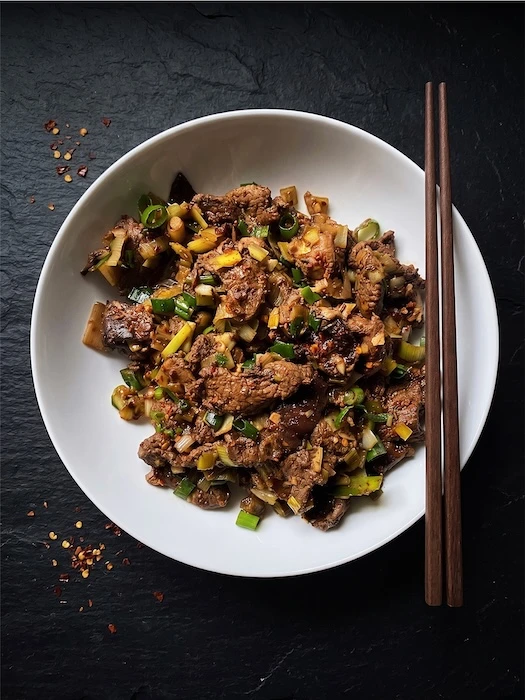
CUMIN SIRLOIN STIR FRY brings the most serious heat to the line-up. Cumin seed and Sichuan peppercorns, toasted whole and crushed fresh, with chile flakes carrying the burn. Sirloin strips, leeks, and scallions finish in a quick, glossy sauce. Serve over steamed rice or tossed with wheat noodles.

- 1 pack Maui Nui Sirloin
- 1 Tbsp whole cumin seeds
- 1 tsp Sichuan peppercorns
- 1/4 to 1 tsp chile flakes
- 4 Tbsp soy sauce
- 1/4 cup cooking wine
- 1 tsp toasted sesame oil
- 1 tsp brown sugar
- 1 tsp cornstarch
- 1 large leek
- 1 bunch scallions
- 2 garlic cloves
- 1 Tbsp freshly grated ginger
- 1/4 cup Bone Broth
- 3 Tbsp neutral oil
DIAL THE HEAT: Start with 1/4 teaspoon of chile flakes and climb toward a full teaspoon. This dish was made to make you sweat a little. Be brave with those flakes, checking the spice level as you go.